
What Is Infichoice? Complete Student Marketplace Explained (2026)
The Rise of the Student Marketplace EconomyHigher education has changed dramatically over the last f...

Studying abroad is a dream for thousands of students every year. Countries like the United States, Canada, United Kingdom, and Australia attract international students because of their world-class education, global career opportunities, and advanced learning systems. However, many students make simple mistakes during the application process that can lead to visa rejection, admission denial, financial loss, or delays.
The study abroad process is not only about choosing a university. It includes university research, application planning, SOP writing, document preparation, visa filing, accommodation planning, and financial management. Even one small mistake can affect your entire journey.
This detailed guide explains the most common study abroad application mistakes students should avoid in 2026. It also shows how platforms like infichoice help students compare universities, check courses, and choose the best colleges easily.
Most students apply abroad for the first time. They may not fully understand:
Because of limited guidance, students often depend on random internet information or social media advice. This creates confusion and increases the chances of mistakes.
Using trusted education platforms is important. Websites like infichoice help students compare universities, courses, rankings, and educational opportunities in one place.
One of the biggest study abroad mistakes is selecting universities without proper research.
Many students apply only to famous universities without checking:
A university that is perfect for one student may not be suitable for another.
Students should compare multiple universities before applying. Research factors like:
You can explore universities through:
Platforms like Infichoice simplify the process by offering university listings, rankings, and comparison features.
Late applications are one of the most common reasons students lose admission opportunities.
Many universities abroad have limited seats for international students. Delaying your application may result in:
Start your preparation at least 10–12 months before intake.
| Activity | Recommended Time |
|---|---|
| University Research | 10–12 months before |
| Entrance Exams | 8–10 months before |
| SOP & LOR Preparation | 6–8 months before |
| University Applications | 5–7 months before |
| Visa Process | 3–4 months before |
| Accommodation Booking | 2–3 months before |
Early applications improve your chances of admission and scholarships.
Every university has different admission criteria.
Some students apply without checking:
This leads to instant rejection.
Carefully review university eligibility requirements before applying.
Check:
Infichoice helps students review university details and compare admission information efficiently.
A poorly written SOP is one of the biggest reasons for rejection.
Common SOP mistakes include:
Universities want to understand:
Your SOP should be:
Always proofread your SOP multiple times before submission.
Many students upload wrong or incomplete documents during applications.
Common document mistakes include:
Even small errors can delay processing.
Create a checklist before submission.
Double-check:
Many students believe studying abroad is too expensive and skip scholarship research.
In reality, universities offer:
Research scholarships early.
Apply separately if required.
Some universities automatically consider students for scholarships, while others need separate applications.
Early applications usually increase scholarship chances.
Some students select courses only because:
This creates problems later in career growth and job satisfaction.
Choose courses based on:
Popular study abroad programs in 2026 include:
Research industry demand before selecting a program.
Studying abroad involves more than tuition fees.
Students often forget expenses like:
Create a complete financial plan.
Estimate:
Many education platforms also help students estimate study costs and living expenses abroad.
Even after receiving admission, students may face visa rejection because of:
Prepare carefully for the visa process.
Key tips:
Always check updated visa rules before applying.
Many students depend only on YouTube videos or random social media advice.
Not all information online is accurate or updated.
Use trusted sources like:
Platforms like infichoice provide centralized information about universities, courses, accommodations, and student services.
Many students focus only on university admission and forget accommodation planning.
Late accommodation booking can result in:
Research accommodation options early.
Compare:
Student platforms now also provide accommodation support for international students.
Some students apply to only one university. Others apply to 20+ universities randomly.
Both approaches are risky.
Create a balanced university list:
Highly competitive universities
Moderate acceptance chances
Higher acceptance probability
This strategy improves admission chances.
Students sometimes ignore university emails or reply late.
This may lead to:
Check your email daily after applying.
Respond professionally and quickly.
Maintain proper communication with university admission offices.
Many students blindly follow rankings without understanding what they mean.
Different ranking systems measure:
Rankings should not be the only factor in university selection.
Consider multiple factors:
Use comparison platforms to evaluate universities properly.
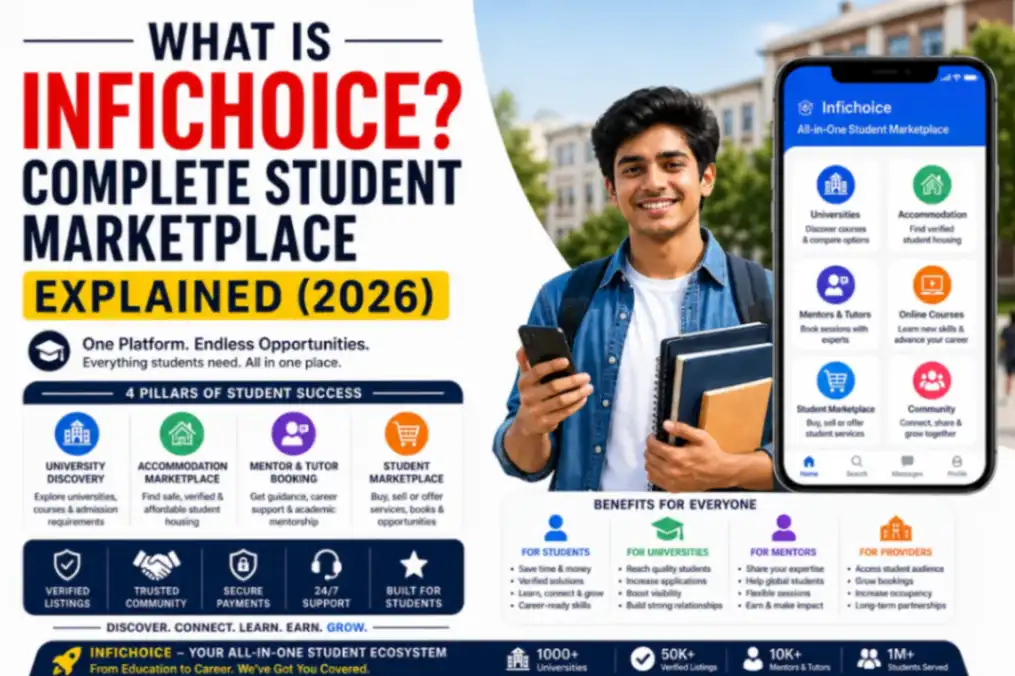
infichoice is a student-focused platform that helps students explore universities, colleges, accommodations, and educational opportunities in one place.
Students can:
Useful pages include:
Applying to study abroad can completely change your future. But success depends on careful planning and avoiding common mistakes.
The biggest study abroad application mistakes include:
Students who research properly and prepare early have much higher chances of success.
Using trusted education platforms like infichoice can simplify the process by helping students compare universities, explore colleges, and make informed decisions.
If you are planning to study abroad in 2026, start your preparation early, st

The Rise of the Student Marketplace EconomyHigher education has changed dramatically over the last f...
Studying abroad is a dream for many Indian students, but high tuition fees often make it seem diffic...

If you’re planning to study in the USA, one of the first requirements you’ll face is proving your En...
IntroductionThe United States remains the #1 study destination for Indian students in 2026, offering...