
Complete Guide to Student Marketplace Buying & Selling in 2026
IntroductionThe global student ecosystem is changing faster than ever. Today’s students are not jus...

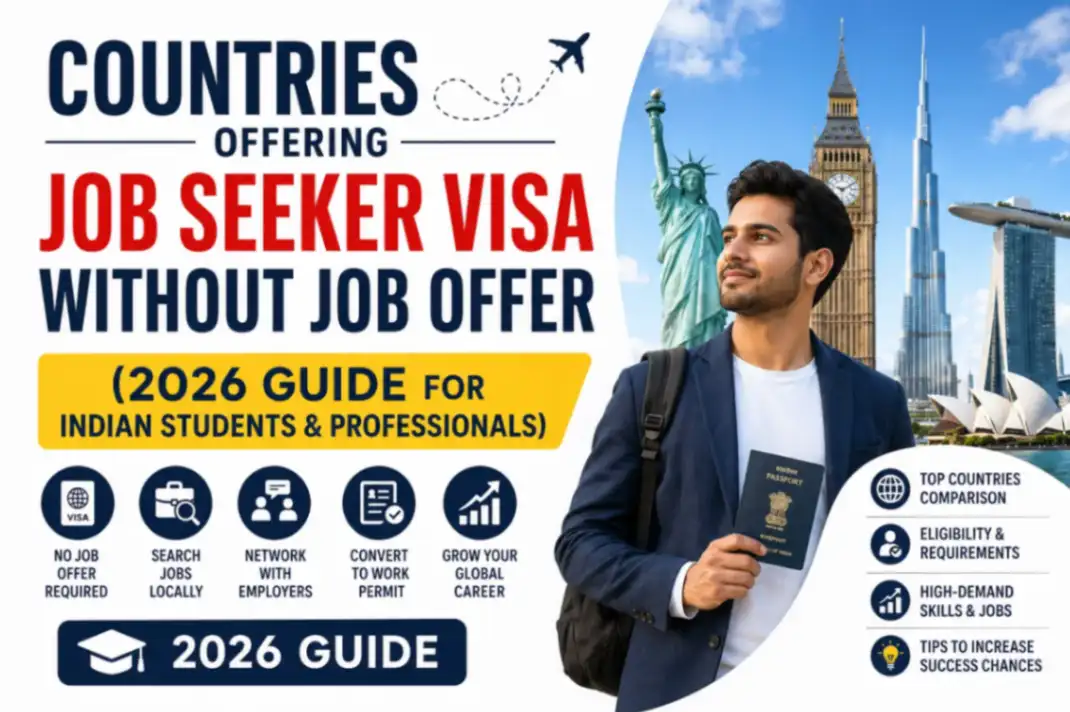
Choosing to study or work abroad is no longer limited to students who already have a job offer. In 2026, many countries are actively attracting global talent by offering Job Seeker Visas, allowing skilled professionals and graduates to enter the country first and search for employment locally.
For Indian students, fresh graduates, and working professionals using platforms like Infichoice — a university discovery, accommodation, mentor booking, and online learning marketplace — understanding these visa pathways can open real international career opportunities.
This guide explains which countries offer job seeker visas without a job offer, eligibility requirements, benefits, and practical strategies to increase success chances.
Global labor shortages, ageing populations, and digital transformation have forced many developed economies to rethink immigration policies. Instead of waiting for employers to sponsor candidates, governments now allow skilled individuals to enter the country and search for work independently.
For Indian students and professionals, this approach reduces one of the biggest barriers: securing employment from abroad without local exposure.
A job seeker visa typically allows you to:
This model is particularly beneficial for graduates completing international degrees or professionals planning career transitions.
Germany continues to lead Europe in attracting international talent through its well-structured Job Seeker Visa program. With strong demand across engineering, IT, healthcare, and manufacturing, Germany remains one of the safest choices for Indian applicants.
| Key Factor | Details |
|---|---|
| Visa Duration | Up to 6 months |
| Education Requirement | Recognized Bachelor’s or Master’s degree |
| Funds Required | Approx. €11,000 blocked account |
| Language Requirement | Not mandatory but recommended |
| Conversion | Work permit after job offer |
Germany’s Skill Shortage List in 2026 highlights fields like AI engineering, nursing, automation, and software development. Students who studied in Germany can also transition smoothly into long-term employment visas.
Best suited for: Engineers, IT professionals, healthcare workers, and technical graduates.
Austria offers a points-based job seeker visa targeting highly qualified professionals. Candidates earn points based on education, experience, age, and language proficiency.
| Key Factor | Details |
|---|---|
| Visa Duration | 6 months |
| Selection Method | Points-based eligibility |
| Language | German or English helpful |
| Focus Industries | Engineering, healthcare, technology |
Austria provides excellent quality of life and access to the broader European Union job market once employed.
Best suited for: Experienced professionals with strong academic backgrounds.
Sweden has positioned itself as a technology and innovation hub. International graduates and skilled professionals can apply for a residence permit to search for employment or start a business.
| Key Factor | Details |
|---|---|
| Visa Duration | Up to 9 months |
| Degree Requirement | Advanced qualification |
| Work Conversion | Yes after employment |
| Popular Sectors | Tech, sustainability, design |
Sweden’s focus on sustainability and innovation creates opportunities for environmental science, clean energy, and AI specialists.
Portugal has emerged as a rising destination due to simplified immigration rules and increasing startup ecosystems.
| Key Factor | Details |
|---|---|
| Visa Type | Job Seeker Visa |
| Duration | 120 days + extension |
| Language | English widely used |
| Opportunities | Tourism, IT, startups |
Lower living costs compared to other Western European countries make Portugal attractive for first-time international job seekers.
The UAE introduced a dedicated Job Exploration Visa allowing professionals to enter without employer sponsorship.
| Key Factor | Details |
|---|---|
| Duration | 60–120 days |
| Qualification | Degree or skilled professional |
| Industry Demand | IT, finance, hospitality, marketing |
| Language | English sufficient |
Cities like Dubai and Abu Dhabi continue expanding tech, finance, logistics, and digital marketing sectors.
Best suited for: Indian professionals seeking quick employment transitions and tax-free salaries.
Finland encourages international graduates to remain and work through a job search residence permit.
| Key Factor | Details |
|---|---|
| Duration | Up to 2 years (post-study route) |
| Education Requirement | Degree holder |
| Demand Areas | Software development, healthcare, education tech |
Finland consistently ranks high in work-life balance and innovation.
Denmark’s immigration system focuses on shortage occupations through its Positive List scheme.
| Key Factor | Details |
|---|---|
| Visa Basis | Skills shortage occupations |
| Industries | Engineering, healthcare, IT |
| Salary Level | High European standards |
Although competitive, successful candidates benefit from excellent social security and career stability.
| Country | Visa Duration | Ease for Indians | Job Market Strength | Cost of Living |
|---|---|---|---|---|
| Germany | 6 Months | High | Excellent | Medium |
| Austria | 6 Months | Moderate | Strong | Medium |
| Sweden | 9 Months | Moderate | Strong | High |
| Portugal | 4–6 Months | High | Growing | Low-Medium |
| UAE | 2–4 Months | Very High | Excellent | Medium |
| Finland | Up to 2 Years | Moderate | Niche Skilled | High |
| Denmark | Variable | Competitive | High Quality | High |
Job seeker visas are ideal for individuals who want international exposure but lack employer sponsorship.
Graduates completing degrees abroad often struggle with remote hiring. A job seeker visa allows them to remain in-country and secure employment faster.
IT professionals, engineers, accountants, digital marketers, healthcare workers, and management specialists benefit the most due to global skill shortages.
Professionals transitioning into technology, AI, or sustainability careers can leverage local training programs and mentorship networks.
On platforms like Infichoice, students can explore universities, book mentors, and enroll in online courses aligned with skill shortage sectors before applying abroad.
Although requirements vary by country, most job seeker visas share common criteria.
A recognized bachelor’s degree or higher is usually mandatory. Technical diplomas may qualify in skill shortage occupations.
Applicants must demonstrate sufficient funds to support themselves during the job search period.
Some countries require relevant professional experience, while others accept fresh graduates.
English is widely accepted, but basic local language knowledge significantly improves hiring chances.
Moving abroad involves more than visa approval. Success depends on preparation, career alignment, and practical guidance.
Through Infichoice, users can:
This integrated approach helps applicants avoid common mistakes such as choosing non-demand degrees or applying without industry-relevant skills.
| Industry | High Demand Skills |
|---|---|
| Technology | AI, Cloud Computing, Cybersecurity |
| Healthcare | Nursing, Medical Technology |
| Engineering | Automation, Renewable Energy |
| Business | Data Analytics, Finance |
| Marketing | Digital Marketing, SEO, Performance Ads |
Students who combine academic qualifications with certifications and real project experience stand a much higher chance of converting job seeker visas into work permits.
Countries offering job seeker visas primarily target skilled migration. Choose programs aligned with labor shortages.
European CV formats differ from Indian resumes. Highlight projects, internships, and measurable achievements.
Career mentors help shortlist countries realistically based on budget, qualifications, and long-term goals.
Plan at least 6–9 months of living expenses before traveling.
Avoid applying randomly to multiple countries. Select one or two destinations aligned with your career profile.
Many applicants assume the visa guarantees employment, which is incorrect. A job seeker visa provides opportunity, not job security.
Avoid these mistakes:
Preparation remains the strongest success factor.
Experts predict that more countries facing workforce shortages — especially in Europe and Asia-Pacific — will introduce flexible migration programs similar to job seeker visas.
Fields expected to dominate future migration demand include:
Students planning today can position themselves for global mobility over the next decade.
The concept of needing a job offer before moving abroad is rapidly changing. In 2026, job seeker visas provide Indian students and professionals with a realistic pathway to build international careers.
Countries like Germany, Portugal, Sweden, Finland, and the UAE are actively welcoming skilled individuals willing to contribute to their economies. However, success depends on preparation, skill alignment, and informed decision-making.
By leveraging platforms like Infichoice — combining university discovery, accommodation support, mentorship, and online learning — aspiring global professionals can confidently transition from education to employment abroad.
A well-planned move today can transform not just your career, but your global future.

IntroductionThe global student ecosystem is changing faster than ever. Today’s students are not jus...
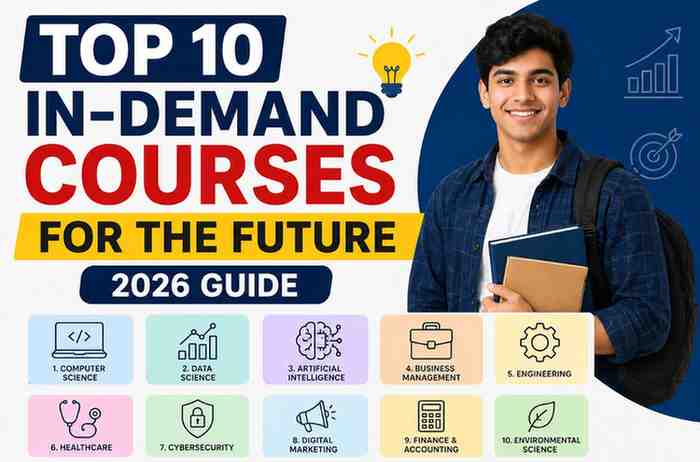
Choosing a course is no longer just an academic decision — it is a long-term life strategy. In 2026,...


Studying abroad is a dream for many Indian students. Every year, thousands of students choose count...
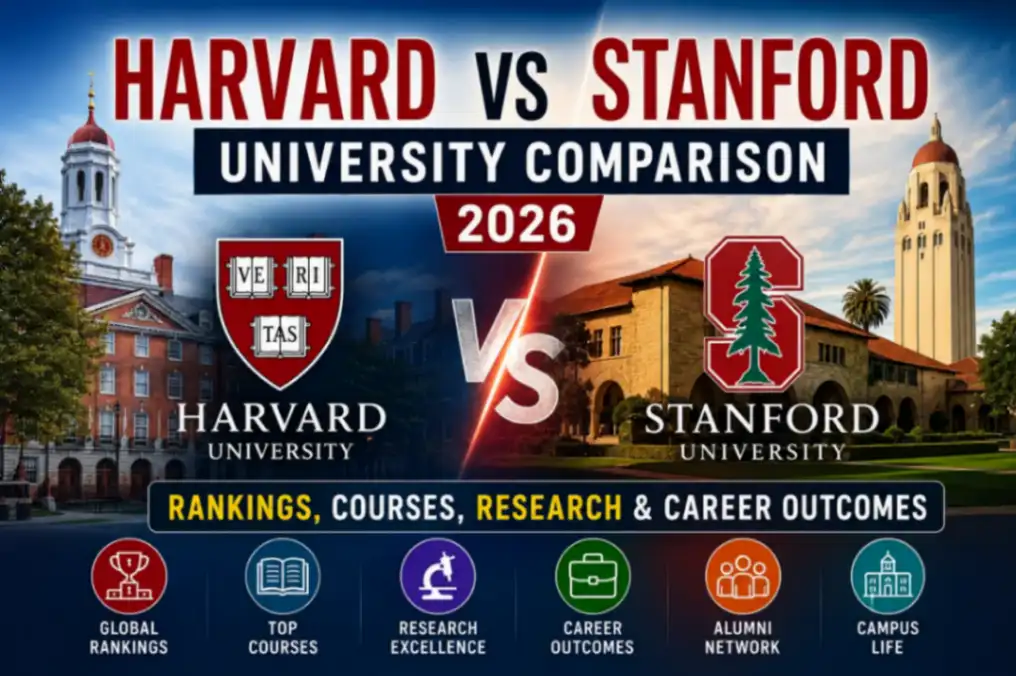
Compare Harvard University vs Stanford UniversityFor students planning to study abroad, especially f...