
How to Apply to UK Universities: A Complete Step-by-Step Guide (2026)
The United Kingdom is one of the top destinations for international students, offering globally reco...

For students planning to study abroad, especially from India, two names often dominate global university conversations — Harvard University and Stanford University.
Both institutions consistently rank among the world’s best universities and attract top students, researchers, entrepreneurs, and global leaders. However, choosing between Harvard and Stanford is not simply about rankings. Each university represents a different academic culture, learning philosophy, career ecosystem, and lifestyle.
This comprehensive 2026 comparison explains everything Indian students need to know — from history and academics to research output, placements, alumni influence, and long-term career outcomes.
| Feature | Harvard University | Stanford University |
|---|---|---|
| Founded | 1636 | 1885 |
| Location | Cambridge, Massachusetts | Stanford, California |
| Type | Private Ivy League | Private Research University |
| Campus Size | ~209 acres | ~8,000+ acres |
| Global Reputation | Academic & leadership excellence | Innovation & entrepreneurship |
| Nearby Industry Hub | Boston Academic Corridor | Silicon Valley Tech Hub |
| Student Population | ~24,000 | ~17,000 |
Harvard represents centuries of academic tradition, while Stanford symbolizes modern innovation and technological transformation.
Harvard is the oldest higher education institution in the United States. Established before the country itself, it has shaped global education systems, public policy, economics, medicine, and law for nearly four centuries.
Its influence expanded through:
Harvard’s brand is deeply connected with academic prestige and intellectual authority.
Stanford was founded in response to America’s industrial expansion and innovation era. Unlike traditional institutions, Stanford built strong partnerships with industry and entrepreneurship from the beginning.
Its rise accelerated during the 20th century when Stanford faculty and graduates helped create Silicon Valley.
Today, Stanford is known as the university that bridges academics + innovation + startups.
| Ranking Organization | Harvard | Stanford |
|---|---|---|
| QS World University Rankings | Top 5 | Top 5 |
| Times Higher Education | Top 5 | Top 5 |
| U.S. News Global Ranking | Top 3 | Top 3 |
| Research Reputation | Extremely High | Extremely High |
| Employer Reputation | Global Leadership | Innovation Leadership |
Both universities consistently occupy elite global ranking positions. The difference lies less in ranking numbers and more in academic orientation.
Harvard consists of multiple specialized schools:
| School | Popular Programs |
|---|---|
| Harvard College | Economics, Government, Psychology |
| Harvard Business School | MBA, Leadership Studies |
| Harvard Law School | International Law, Corporate Law |
| Harvard Medical School | Biomedical Sciences |
| Harvard Kennedy School | Public Policy, Governance |
| Graduate School of Education | Education Leadership |
Harvard emphasizes interdisciplinary thinking, policy influence, and theoretical foundations.
| School | Popular Programs |
|---|---|
| School of Engineering | Computer Science, AI, Robotics |
| Graduate School of Business | Entrepreneurship, Venture Capital |
| School of Medicine | Bioengineering, Neuroscience |
| School of Humanities & Sciences | Economics, Political Science |
| School of Sustainability | Climate & Environmental Studies |
Stanford focuses strongly on applied learning and innovation-driven education.
Research strength is one of the biggest differentiators between global universities.
| Research Indicator | Harvard | Stanford |
|---|---|---|
| Annual Research Funding | $1B+ | $1B+ |
| Research Papers Published | Among highest globally | Among highest globally |
| Nobel Laureates | 160+ affiliated | 80+ affiliated |
| Citation Impact | Extremely High | Extremely High |
| Research Strength | Medicine, Law, Social Sciences | Engineering, AI, Technology |
Harvard dominates medical and policy research, while Stanford leads in engineering, artificial intelligence, and technology innovation.
Stanford’s proximity to Silicon Valley fundamentally shapes student opportunities.
| Innovation Factor | Harvard | Stanford |
|---|---|---|
| Startup Culture | Growing | World-leading |
| Venture Capital Access | Strong | Exceptional |
| Tech Company Influence | Moderate | Massive |
| Startup Founders Produced | High | Extremely High |
Companies connected to Stanford founders include:
Harvard graduates, meanwhile, dominate leadership roles across finance, politics, consulting, and global institutions.
Harvard alumni strongly influence politics, law, business leadership, and global governance.
Stanford alumni dominate technology entrepreneurship and innovation industries.
| Learning Style | Harvard | Stanford |
|---|---|---|
| Teaching Method | Case study & discussion | Project & experimentation |
| Classroom Culture | Debate & analysis | Creation & innovation |
| Student Profile | Policy thinkers & leaders | Builders & entrepreneurs |
| Collaboration | Academic collaboration | Industry collaboration |
Indian students interested in research, law, economics, or public policy often prefer Harvard, while students interested in AI, startups, or technology innovation gravitate toward Stanford.
Below is a simplified representation of graduate career distribution:
| Sector | Harvard Graduates | Stanford Graduates |
|---|---|---|
| Consulting | ██████████ | ██████ |
| Finance | █████████ | █████ |
| Government & Policy | ███████ | ██ |
| Technology | █████ | ██████████ |
| Startups | ████ | █████████ |
| Academia/Research | ███████ | ███████ |
Key Insight:
Harvard leads in consulting, finance, and leadership careers.
Stanford leads in technology and startup ecosystems.
Both universities maintain extremely competitive admission standards.
| Admission Factor | Harvard | Stanford |
|---|---|---|
| Acceptance Rate | ~3–4% | ~3–4% |
| Academic Expectation | Exceptional academics | Exceptional academics |
| Holistic Review | Yes | Yes |
| Extracurricular Impact | Critical | Critical |
| Research/Innovation | Strong advantage | Strong advantage |
Indian applicants typically need:
Harvard offers a traditional East Coast academic environment with historic architecture and intellectual culture.
Stanford provides a modern West Coast lifestyle with entrepreneurship, innovation labs, and outdoor campus living.
| Lifestyle Aspect | Harvard | Stanford |
|---|---|---|
| Climate | Cold winters | Sunny California weather |
| Campus Feel | Historic & classic | Modern & open |
| Social Culture | Academic discussion | Startup collaboration |
Both universities operate need-based financial aid systems.
| Cost Factor | Harvard | Stanford |
|---|---|---|
| Tuition (Approx.) | $55k–$65k/year | $55k–$65k/year |
| Financial Aid | Need-based | Need-based |
| Scholarships | Generous | Generous |
| Aid for International Students | Available | Available |
Both institutions meet demonstrated financial need for many admitted students.
Choose Harvard if you want:
Choose Stanford if you want:
There is no universal “better” university — only the better fit for your career vision.
Preparing for universities like Harvard or Stanford requires strategic planning, not just applications.
Platforms like Infichoice help students through:
This integrated ecosystem helps Indian students move from aspiration to admission successfully.
Harvard University and Stanford University represent two powerful models of global education.
Harvard reflects centuries of intellectual leadership and global governance influence. Stanford embodies innovation, entrepreneurship, and technological transformation.
Both institutions produce world changers — but through different academic philosophies.
The best choice depends on who you want to become, not just where you want to study.
For Indian students planning study abroad in 2026, understanding this distinction is the first step toward making a life-defining decision.


The United Kingdom is one of the top destinations for international students, offering globally reco...
Studying abroad is a dream for many Indian students, but high tuition fees often make it seem diffic...
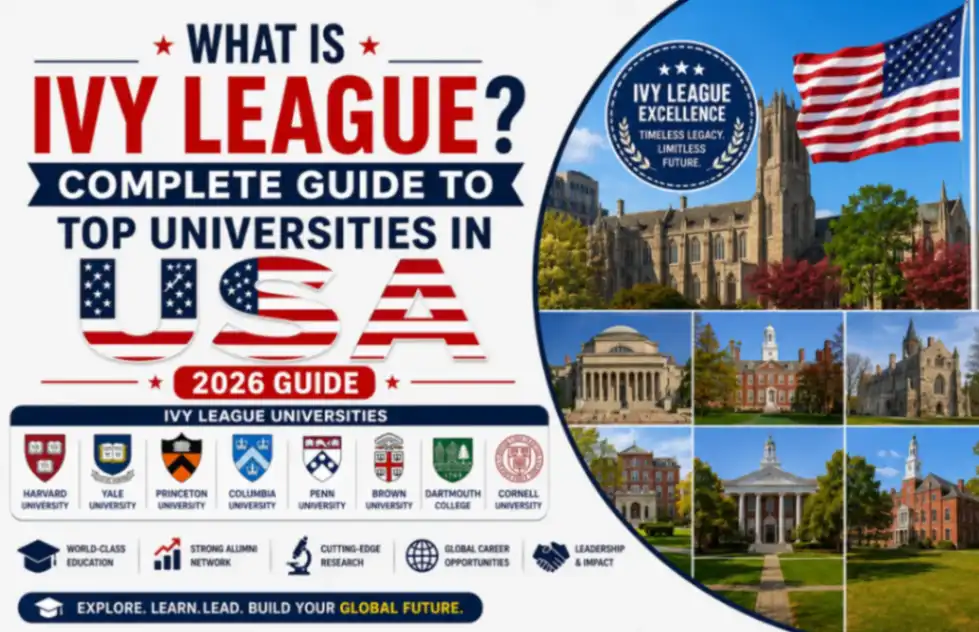
Why Every Student Hears About Ivy League Universities If you are planning to study in the United Sta...

IntroductionThe global student ecosystem is changing faster than ever. Today’s students are not jus...